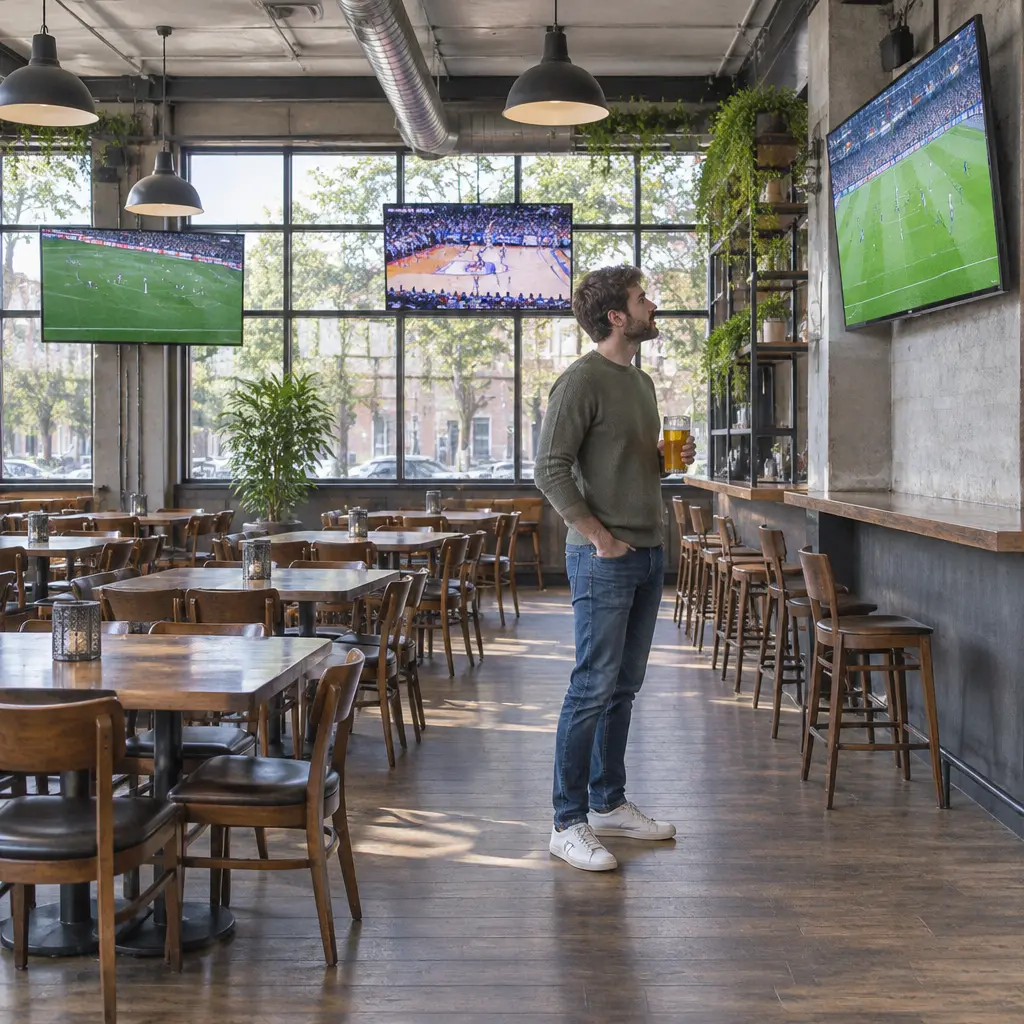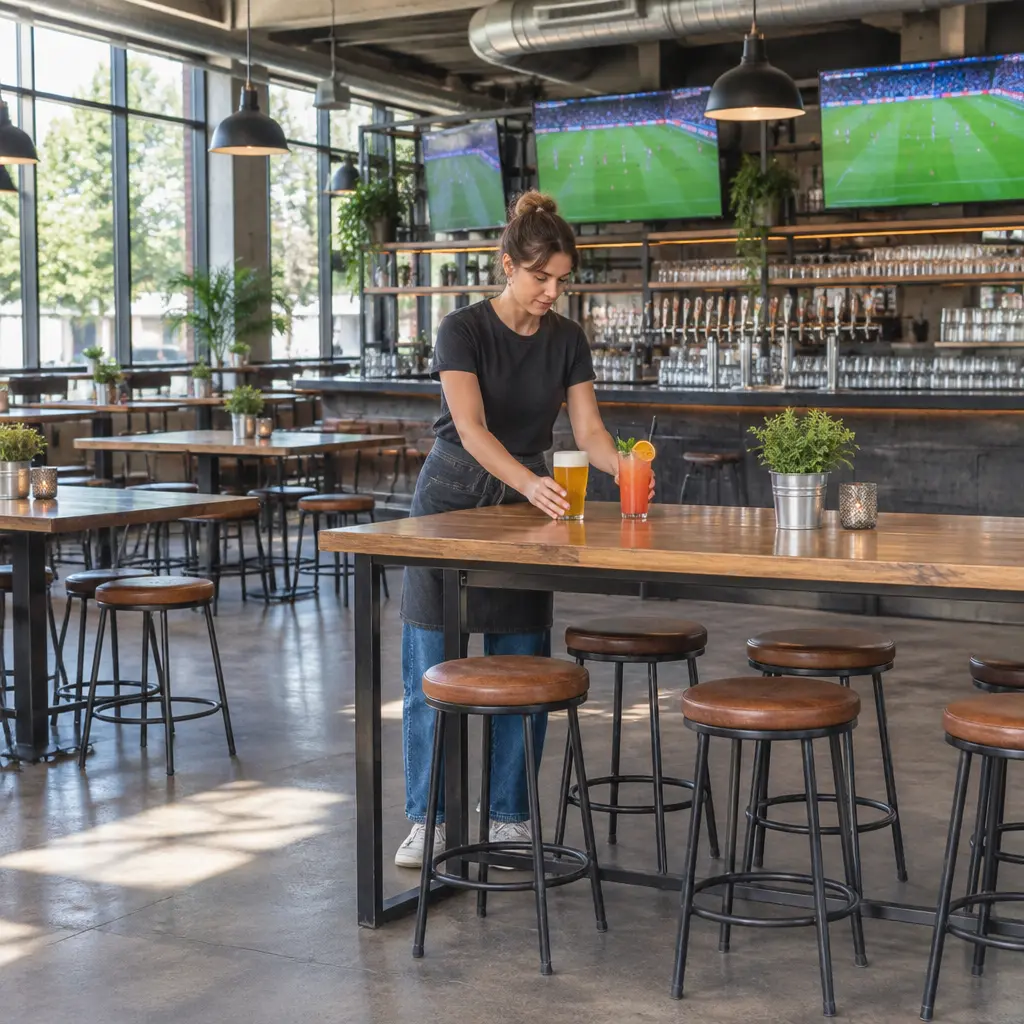
Non-alcoholic beer and zero-proof drinks are giving sports bars more ways to serve fans who want the ritual and flavor of a bar drink without alcohol. Non-alcoholic beer is generally brewed beer with its alcohol removed or limited, while zero-proof options include drinks made without alcohol, such as mocktails and alcohol-free spirits. Their growing relevance reflects changing consumer preferences: Gallup reported in 2023 that 62% of U.S. adults said they drank alcohol, down from 67% in 2022, while IWSR has documented expansion in the no- and low-alcohol category. For sports bars, the opportunity is practical as well as cultural: offer appealing choices, explain alcohol content clearly, pair drinks with food, and make non-drinkers feel included without compromising responsible service.
Sports bars define non-alcoholic beer and zero-proof options
Non-alcoholic beer and zero-proof drinks are beverage options intended to deliver beer-like or mixed-drink experiences without the intoxicating alcohol content of standard alcoholic beverages. Definitions and labeling rules vary by country and product. In the United States, federal rules permit beverages labeled “non-alcoholic” to contain less than 0.5% alcohol by volume (ABV); “alcohol-free” generally indicates no alcohol. Therefore, “non-alcoholic” does not always mean zero alcohol, and bars should check the product label and communicate the distinction.
The category includes non-alcoholic lagers, pale ales, stouts and wheat beers, as well as zero-proof cocktails, alcohol-free spirits, sparkling drinks and house-made mocktails. These are related but not interchangeable: a dealcoholized beer may contain trace alcohol, while a drink described as zero-proof is typically formulated without alcoholic spirits. For guests avoiding alcohol for medical, religious, recovery-related or personal reasons, accurate descriptions are more useful than assuming one label suits everyone.
Non-alcoholic beer: brewing, taste and labeling
Non-alcoholic beer is beer whose alcohol content is reduced or kept low through brewing choices or alcohol-removal processes. Producers may limit fermentation, use specialized yeast, or remove alcohol from finished beer through methods such as vacuum distillation or membrane filtration. The aim is to retain beer’s familiar aromas and flavors while meeting the product’s stated alcohol limit.
The U.S. Alcohol and Tobacco Tax and Trade Bureau (TTB) distinguishes “non-alcoholic” labeling from “alcohol-free” claims: non-alcoholic malt beverages must state that they contain less than 0.5% alcohol by volume, while alcohol-free claims are reserved for products with no alcohol. Because trace alcohol may matter to some customers, staff should not describe every non-alcoholic beer as completely alcohol-free. A concise menu note—“under 0.5% ABV; see label for details”—can help guests make informed choices.
Zero-proof cocktails and other alternatives
Zero-proof drinks are mixed beverages made without alcoholic ingredients. Sports-bar examples include a citrus-and-ginger highball, a bitter aperitif-style spritz made with alcohol-free products, or a fruit-and-herb cooler. Alcohol-free spirits can add botanical or bitter flavors, but their formulations differ, so bars should check labels rather than assume the term guarantees a particular composition.
These options are most effective when treated as deliberate menu items rather than improvised substitutes. A named drink, appealing glassware and a considered balance of acidity, sweetness and bitterness help it feel like a complete order. The U.S. Dietary Guidelines advise adults of legal drinking age to limit alcohol consumption, and the National Institute on Alcohol Abuse and Alcoholism notes that people who do not drink should not start for health reasons. A substantial alcohol-free selection supports guests’ varied choices without making assumptions about why they are abstaining.
Sports bars build a practical non-alcoholic beverage menu
A workable menu balances recognizable choices with enough variety to suit different tastes and occasions. Beer-focused guests may want a crisp lager alongside a hop-forward option; cocktail drinkers may prefer something bitter, botanical or spicy. This range also helps groups order together without making the non-drinker’s choice feel like an afterthought.
Selection, range and rotation
Start with a small, dependable range: a familiar non-alcoholic lager, a more flavor-forward beer, and at least one made-to-order zero-proof drink. Add options according to local demand, season and the bar’s food menu. Rotating a seasonal mocktail or limited-release beer can keep the list interesting, while maintaining core choices makes ordering predictable for returning guests.
IWSR’s market analysis has described no- and low-alcohol beverages as a growing category across key markets, with growth supported by moderation and interest in alcohol alternatives. Market forecasts are not a guarantee of sales at any individual venue, so bars should test demand through point-of-sale data, customer feedback and inventory turnover rather than relying on broad trends alone.
Menu descriptions, pricing and placement
Clear menu language should state whether a beverage is non-alcoholic or alcohol-free and disclose ABV when known. List these drinks beside comparable beers and cocktails, not only in a separate “special” section; this makes them easier to find and signals that they are part of the regular offer. Staff should be ready to explain whether a product contains trace alcohol and, where necessary, direct guests to the label or manufacturer’s information.
Pricing should reflect ingredients, preparation and local market expectations, rather than treating every alcohol-free beverage as a low-cost soft drink. House-made drinks may require fresh citrus, specialty syrups or alcohol-free spirits, while packaged beer involves purchasing and storage costs. Reviewing sales by item and time of day can help managers set prices and reduce waste.
Food pairing and the game-day experience
Food pairing gives alcohol-free drinks a natural role in the sports-bar experience. A crisp lager-style beer can work with wings, fries or burgers; a citrus-forward drink can cut through salty foods; and a maltier non-alcoholic beer may suit grilled or roasted dishes. These are starting points, not fixed rules—staff can recommend pairings based on flavor and guest preference.
During a major game, speed and consistency matter. Pre-batching suitable mocktail components, keeping packaged non-alcoholic beers cold, and training staff on a short list of recommendations can make service more reliable when the bar is busy. The goal is a full game-day offering, not simply an alternative for customers who cannot order alcohol.
Sports bars manage service, safety and operations
Adding non-alcoholic drinks can broaden a venue’s appeal, but managers still need consistent purchasing, storage and service practices. Product claims, local regulations and customer expectations should guide the details, particularly when a beverage contains trace alcohol or resembles a standard alcoholic drink.
Inventory, storage and staff training
Packaged non-alcoholic beer should be stored and rotated according to its label and supplier guidance. Some products have shorter or more temperature-sensitive shelf lives than conventional beer, so managers should record delivery dates, monitor stock and avoid over-ordering unfamiliar items. For made-to-order drinks, consistent recipes and measured ingredients support quality and cost control.
Staff training should cover product names, ABV claims, ingredients and likely allergens, along with how to answer questions without making medical assurances. A useful service standard is to ask whether the guest needs a strictly alcohol-free drink, then check the product information. This is especially important because “non-alcoholic” products can contain up to 0.5% ABV under U.S. labeling rules.
Responsible service and inclusive hospitality
Responsible hospitality means presenting beverage information accurately and serving customers without pressure to drink alcohol. The World Health Organization identifies alcohol consumption as a risk factor for health, while public-health guidance recognizes that alcohol-free choices may support people who choose not to drink. A sports bar need not speculate about a guest’s reason for choosing one; it can make the selection straightforward and respectful.
Bars should also consider local alcohol-service laws, licensing conditions and rules governing marketing or labeling. A beverage’s low ABV does not automatically establish how it is regulated in every jurisdiction. Managers should confirm requirements with relevant authorities and suppliers, particularly when serving products that resemble alcoholic beverages or make “zero” and “alcohol-free” claims.
Sports bars evaluate demand and business impact
The business case for non-alcoholic options is best assessed with venue-level evidence. National surveys and category reports indicate broader interest in moderation and alcohol alternatives, but they do not predict a particular bar’s results. A short pilot can show whether an expanded menu improves guest satisfaction, generates repeat orders or performs well during specific events.
Track sales, feedback and waste
Managers can monitor units sold, revenue, gross margin, stockouts and expired inventory for each non-alcoholic item. Comparing sales by daypart, event and season can reveal whether demand is concentrated around lunch, family-friendly occasions or major games. Brief customer surveys and staff observations can explain the numbers—for example, whether guests want more beer styles, clearer ABV details or additional zero-proof cocktails.
A simple chart can compare weekly sales and waste across non-alcoholic beer, zero-proof cocktails and other alcohol-free drinks. Reviewing that chart alongside total beverage sales helps distinguish genuine incremental demand from purchases that simply replace another drink.
Use a measured pilot before expanding
A practical pilot might run for six to eight weeks with two packaged beers and one house-made zero-proof cocktail. Record purchase cost, preparation time, sales, waste and customer comments; then keep, revise or replace items based on performance. This approach limits inventory risk while giving the bar a chance to test menu placement and staff recommendations.
Conclusion: sports bars make alcohol-free choices part of the game
Non-alcoholic beer and zero-proof drinks give sports bars a way to serve more preferences while preserving the social rituals of watching a game. Clear definitions matter because non-alcoholic beer may contain trace alcohol, whereas alcohol-free claims have a narrower meaning under U.S. labeling guidance. A successful program combines a balanced menu, transparent descriptions, food pairings, trained staff and careful inventory management.
Broader market interest provides a reason to test these options, but local sales data should determine what stays on the menu. Bars can start with a small, well-described selection, ask guests what they want, and review sales and waste after a defined trial. For further guidance, consult the TTB’s beverage-labeling information, current public-health recommendations and applicable local licensing rules.
Sources: Gallup, “U.S. Drinking Rate at New Low as Non-Drinkers Reach New High,” 2023, https://news.gallup.com/poll/509501/drinking-rate-low-non-drinkers-reach-new-high.aspx; U.S. Alcohol and Tobacco Tax and Trade Bureau, “Alcohol FAQs,” https://www.ttb.gov/faqs/alcohol; U.S. Department of Agriculture and U.S. Department of Health and Human Services, Dietary Guidelines for Americans, 2020–2025, https://www.dietaryguidelines.gov/; National Institute on Alcohol Abuse and Alcoholism, “Drinking Levels Defined,” https://www.niaaa.nih.gov/alcohol-health/overview-alcohol-consumption/moderate-binge-drinking; World Health Organization, “Alcohol,” https://www.who.int/news-room/fact-sheets/detail/alcohol; IWSR, “No- and Low-Alcohol Strategic Study,” https://www.theiwsr.com/insight/no-and-low-alcohol-strategic-study/